How can space technology be used to achieve specific national goals and objectives?
Labels: Space Technology, National Goals, Objectives, Exploring, Innovation, Sustainability, Economic Growth, Environmental Protection
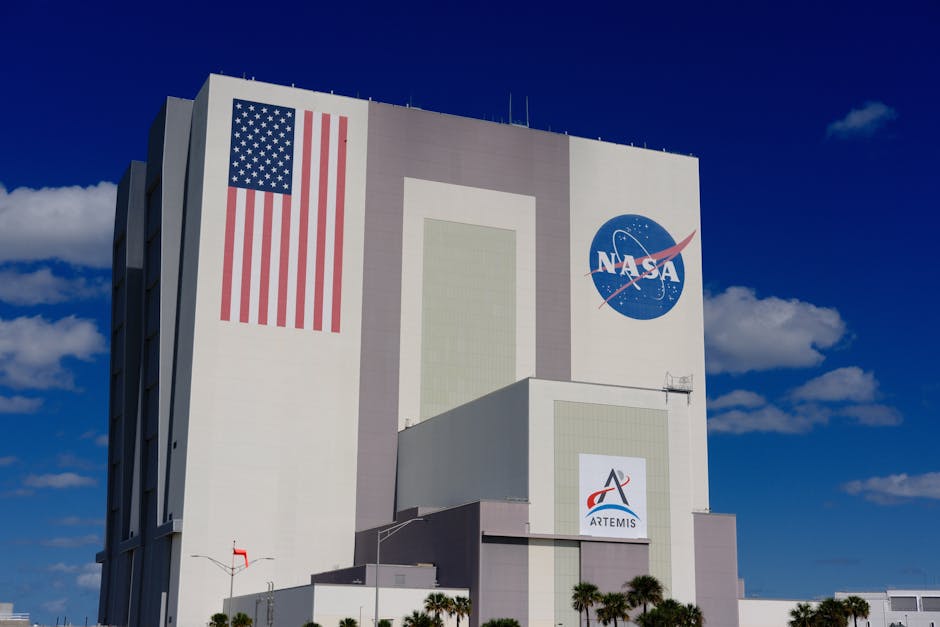
Harnessing Space Technology for National Goals
As the world becomes increasingly interconnected, the role of space technology in achieving national goals and objectives is gaining significance. Space technology has the potential to transform various sectors, from telecommunications to healthcare, and play a crucial role in propelling national development. In this post, we'll explore how space technology can be used to achieve specific national goals and objectives.
Economic Growth and Development
Space technology can contribute significantly to national economic growth and development. Remote Sensing and Earth Observation technologies can be used to monitor natural resources, agricultural production, and climate change. This information can be used to make informed decisions about resource allocation, crop planning, and climate-resilient agricultural practices. Additionally, space-based services such as telecommunications and satellite navigation can facilitate international trade, expedite transportation, and enhance national security.
National Security and Defense
Space technology is critical for national security and defense. Space-Based Intelligence, Surveillance, and Reconnaissance (ISR) systems can provide timely and accurate situational awareness, enabling governments to respond quickly to emerging threats. Anti-Missile Defense Systems can protect against ballistic missile threats, while Communications and Navigation satellites can support military operations and ensure secure communication.
Environmental Sustainability
Space technology can help countries achieve their environmental sustainability goals by monitoring and addressing climate change, deforestation, and natural disasters. Earth Observation satellites can track changes in the environment, provide early warnings for natural disasters, and monitor the impact of human activities on the environment. Climate Modeling and prediction can also help governments develop effective climate change mitigation strategies.
Education and Research
Space technology can facilitate national education and research goals by providing access to space-based data, ground stations, and research facilities. Remote Education and Virtual Learning platforms can connect students with experts and resources globally, enhancing educational opportunities. Collaborative Research initiatives can bring together scientists and researchers from around the world to tackle complex challenges and develop innovative solutions.
Infrastructure Development
Space technology can support national infrastructure development by providing mapping and surveying services, precision agriculture, and Smart City management solutions. Satellite-based monitoring can help governments plan and manage urbanization, transportation, and infrastructure development more effectively.
Social Services and Healthcare
Space technology can improve national healthcare and social services by providing telemedicine services, remote monitoring, and emergency response systems. Earth Observation data can be used to identify areas of need, track disease outbreaks, and monitor environmental health.
Summary of Key Takeaways:
* Space technology can contribute to national economic growth and development through remote sensing, earth observation, and space-based services. * Space technology is critical for national security and defense through space-based intelligence, surveillance, and reconnaissance systems. * Space technology can support environmental sustainability through earth observation, climate modeling, and prediction. * Space technology can facilitate national education and research goals through remote access to resources and collaborative research initiatives. * Space technology can support national infrastructure development through mapping, surveying, and smart city management solutions. * Space technology can improve national healthcare and social services through telemedicine, remote monitoring, and emergency response systems.
In conclusion, space technology has the potential to play a transformative role in achieving national goals and objectives. By harnessing the power of space technology, countries can drive economic growth, improve national security, and advance environmental sustainability, education, and research.


Comments
Post a Comment