Fwd: What is the difference between chatbots and app building using AI?
Labels: AI-powered chatbots, artificial intelligence apps, conversational UI, natural language processing, machine learning development, automation software, AI-driven applications
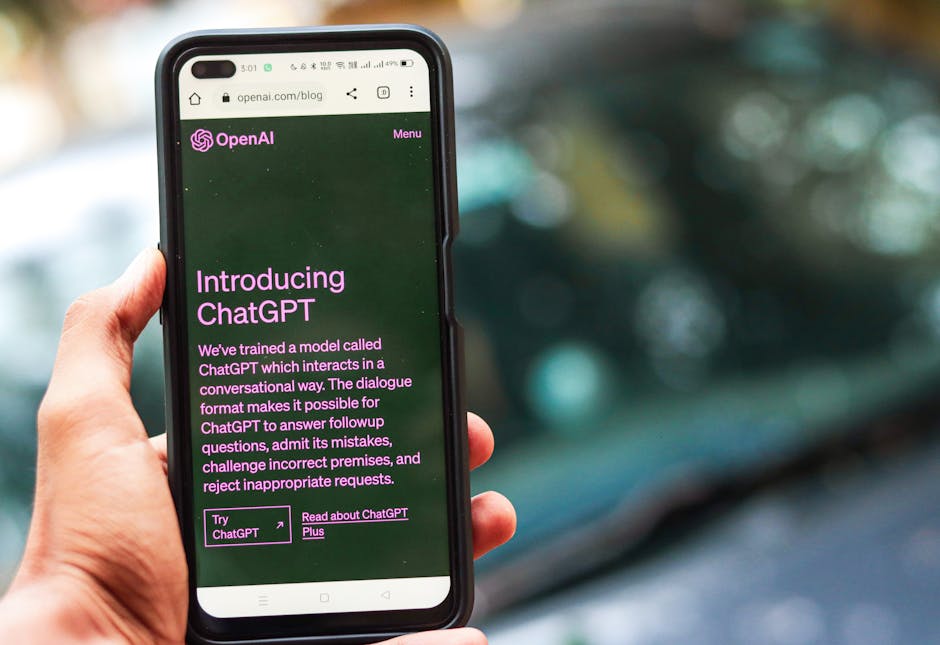 Photo by Sanket Mishra on Pexels
 The Difference Between Chatbots and App Building Using AI
Artificial Intelligence (AI) has revolutionized the way we interact with machines. Two of the most popular applications of AI are chatbots and app building. While both technologies are AI-powered, they serve distinct purposes and have different applications. In this post, we'll delve into the differences between chatbots and app building using AI, helping beginners understand the nuances of these cutting-edge technologies.
What are Chatbots?
Chatbots are computer programs designed to simulate human-like conversations with users. They use Natural Language Processing (NLP) and Machine Learning (ML) to understand and respond to user inputs. Chatbots are typically used in customer service, marketing, and entertainment industries to provide quick and personalized assistance.
What are Apps?
Apps, short for applications, are software packages designed for specific tasks or purposes. They can be developed for various platforms, including mobile devices, desktop computers, and web browsers. Apps can be categorized into two types: native apps and web apps. Native apps are installed directly on the device, while web apps are accessed through a web browser.
The Difference Between Chatbots and Apps
Now that we have a basic understanding of chatbots and apps, let's highlight the key differences:
* Purpose: Chatbots are designed to simulate conversations, while apps are designed to perform specific tasks. * User Interface: Chatbots interact with users through text-based interfaces (e.g., messaging platforms, voice assistants), whereas apps use graphical user interfaces (e.g., screens, menus) to interact with users. * Functionality: Chatbots are limited to responding to user inputs and providing information, whereas apps can perform complex tasks, such as data analysis, processing, and storage. * Development: Chatbots require NLP and ML expertise, whereas apps require programming languages like Java, Python, or Swift. * Scalability: Chatbots can be easily scaled to handle thousands of conversations simultaneously, whereas apps may require significant infrastructure upgrades to handle increased traffic.
When to Use Chatbots and Apps
* Use Chatbots for: Customer service, marketing campaigns, entertainment, and simple tasks that require human-like conversational responses. * Use Apps for: Complex tasks that require processing, analysis, or storage of data, such as games, productivity tools, or educational software.
Conclusion
Chatbots and app building using AI are two distinct technologies with different applications. Chatbots are designed to simulate conversations, while apps are designed to perform specific tasks. Understanding the differences between these technologies is crucial for developing effective solutions that meet user needs.
In summary:
* Key takeaway 1: Chatbots are best suited for simple tasks that require human-like conversational responses, while apps are better suited for complex tasks that require processing, analysis, or storage of data. * Key takeaway 2: Developing chatbots requires expertise in NLP and ML, whereas developing apps requires programming language skills. * Key takeaway 3: Chatbots can be easily scaled to handle thousands of conversations simultaneously, whereas apps may require significant infrastructure upgrades to handle increased traffic.
By understanding the differences between chatbots and app building using AI, you can make informed decisions about which technology to use for your next project, ensuring you develop a solution that meets your users' needs.


Comments
Post a Comment